
What is “Seekde” and Why People Search It
In an era of information overload, the allure of an “intelligent” discovery engine — one that sifts through noise, surfaces credible insights, and shows how ideas connect — is strong. That hope is the promise of seekde. Mentions of seekde have surged online recently: some portray it as a next‑generation search and learning platform, while others warn that it might be a speculative or even deceptive scheme.
If you search “seekde” today, you’ll find glossy web pages explaining its mission, functionality, and use cases. But you’ll also find skeptical reviews, trust‑score warnings, and little verifiable evidence of a mature, functioning product. This article aims to assemble what’s publicly known, weigh what seems plausible vs what remains unverified, and give you a clear-eyed view so you can make your own judgment.
Must Read – Lufanest: Internet Buzzword or Emerging Brand?
What “Seekde” Claims to Be — Features & Vision
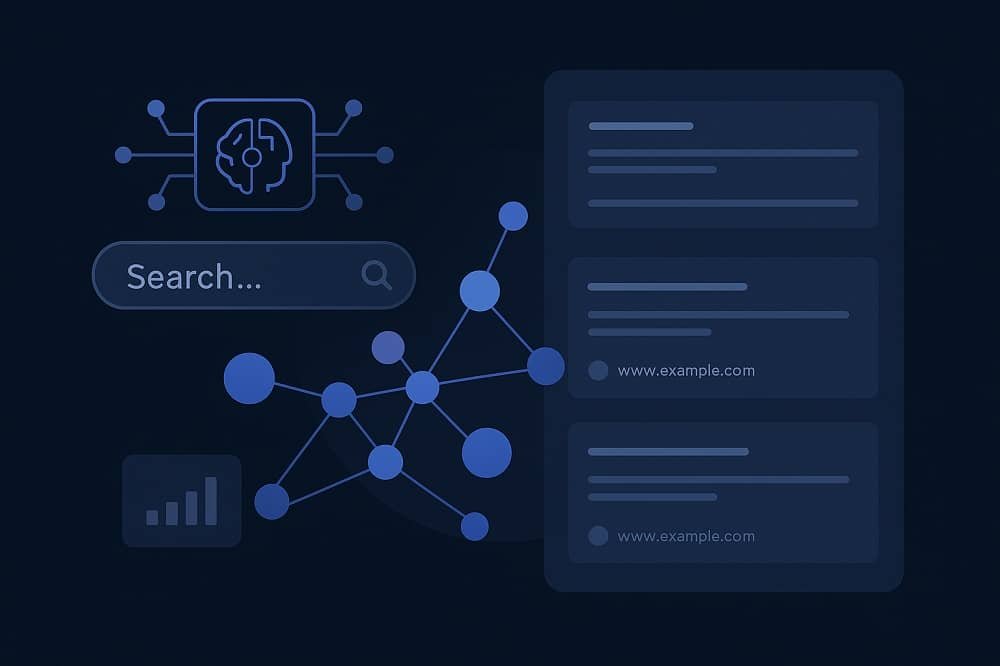
According to its promotional and informational pages, seekde positions itself not as a traditional search engine, but as a “knowledge‑discovery and learning ecosystem.”
Here are the main features often associated with seekde:
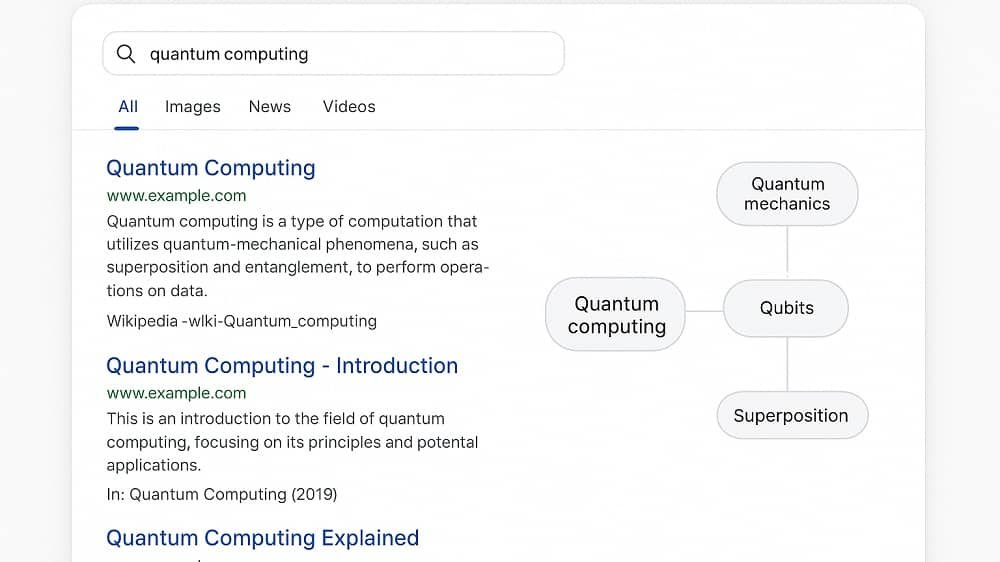
- Contextual / Semantic Search Instead of relying on bare keywords, seekde claims to interpret the meaning and intent behind user queries — delivering results that match the real question even when wording is vague: Knowledge Mapping The platform promises to show how various concepts and pieces of information relate — building a conceptual “map” rather than presenting disjointed articles or links.
- Adaptive Learning / Personalized Experience Over time, based on how you search and what you click, seekde supposedly adapts — offering more tailored content, filtering irrelevant noise, and even adjusting depth (beginner vs advanced) to match user needs.
- Unified, Clean, User‑Friendly Interface Advocates highlight that seekde’s UI is designed for clarity and ease: no clutter of ads, minimalistic layout, and a focus on readable, trustworthy content rather than clickbait.
- Multi‑source & : Multi‑format Integration According to some descriptions, seekde can ingest content from varied sources — academic papers, blogs, news, possibly multimedia — and present integrated results.
- Use Cases Across Profiles The target audiences for seekde are wide: students, educators, researchers, professionals, lifelong learners — basically anyone who values clarity, context, and credible information.
In short: seekde promises to be a “thinking layer” over the chaotic web — turning search into structured discovery, and helping users build understanding not just gather links.
What Public Evidence Actually Exists: Domains, Trust Scores & Visibility
Given these ambitious claims, it’s legitimate to ask: is seekde real? Here’s what publicly available data shows as of late 2025.
Domain History & Trust‑score Reports
- There is a domain “seekde.org.” According to a trust‑analysis on a website that tracks risky/fraud domains, seekde.org has a “medium to low risk” rating — despite having a valid SSL certificate. The site is described as “very young,” registered only recently (August 2025), on a registrar with a history of hosting flagged/fraudulent sites.
- Another domain, “seekde.com,” has a better rating in one trust‑report: it receives an “average to good” trust score; SSL certificate is valid and the site appears to have existed for some years. However — the site owner uses WHOIS masking/privacy protection, and web‑traffic data suggests only a small user base and low visibility.
What the “Official” Seekde Pages Say
The version of seekde’s website (or at least what presents itself as official) describes seekde as a “next‑generation knowledge platform,” focused on “contextual discovery,” “knowledge mapping,” “adaptive learning,” and “trustworthy sources.”
These pages articulate a clear vision: a tool for students, researchers, professionals — a universal discovery companion.
What’s Missing — Evidence We Would Expect
Despite the grand narrative, there is little independent evidence that seekde exists as a mature, widely used, reliable platform:
- There are no credible reviews from trusted third‑party technology news sites or institutions evaluating seekde’s performance, accuracy, or reliability.
- There are no public case studies, user testimonials (beyond what appears on marketing‑oriented blogs), or analyses by neutral parties.
- There’s no open demo or widely referenced version of seekde — reports and descriptions are often vague, speak in future‑tense (“seekde will …”), or focus on what could be rather than what is.
- Internet‑wide recognition is minimal: search‑engine results for “seekde” yield mostly the same handful of low‑traffic domains and blogs — suggesting that seekde has not gained substantial traction or adoption.
From Possibility to Skepticism — Why Many Consider “seekde” Questionable
Given the gap between claims and evidence, many observers and analysts express serious doubts about seekde’s legitimacy or readiness. Common concerns include:
- Youth and anonymity of domains A newly created or recently registered domain — especially with WHOIS masking — is a classic red flag for potentially risky or transient projects.
- Marketing‑heavy discourse, lack of substance Many of the “articles” that describe seekde appear on small blogs or content‑farm style sites, often with overlapping wording and inconsistent detail. This pattern suggests more promotion than genuine product review or usage.
- No public version / small user base / lack of social proof A tool claiming to revolutionize search and learning would — if legitimate — likely have public-facing demos, user testimonials, social media mentions, or at least community discussion. None of that is visible for seekde at scale.
- Potential for hype or even scam tactics Some write‑ups about seekde promise unrealistic outcomes — e.g. “instant income,” “job matching,” “career coaching,” “AI-powered job matching hub,” “resume builders,” etc. When sites mix learning tools + income opportunities + job‑matching under a name similar to established services, it’s a red flag often flagged by scam‑watchers.
In short: while seekde is being marketed boldly, the public evidence suggests that — at least for now — it remains more concept or promise than a proven, trusted tool.
What You Should Do If You Encounter “seekde” — A Practical Due‑Diligence / Safety Checklist
If you come across a site or service claiming to be “seekde,” and you’re considering using or signing up, it’s wise to treat it with caution. Here are key steps you can take to protect yourself:
- Check domain age & WHOIS details Use WHOIS lookup tools to see when the domain was registered, who owns it (or if privacy‑masked), and whether it’s associated with suspicious registrars. New domain + hidden WHOIS = red flag.
- Look for independent reviews or credible mentions outside marketing blogs Genuine tools tend to be reviewed by tech journalists, appear in forums, get user feedback on Reddit/StackExchange, or have social‑media presence. Absence of independent coverage is concerning.
- Watch out for unrealistic promises or “get rich / easy job / AI‑powered job matching” pitches These are often used to lure users with low technical awareness. It’s rare for a legitimate knowledge‑search platform to offer job‑matching + income‑opportunity + e‑learning in one package.
- Avoid giving personal or financial information unless necessary If the site asks for payment, or personal data (ID, bank info, etc.) upfront — don’t proceed unless you have strong reasons to trust the service.
- Test with minimal data / free trial if available If seekde provides a demo or free tier, try it out without revealing sensitive details. Evaluate whether results feel meaningful, credible, and reproducible.
- Compare with established alternatives Before trusting seekde, check whether other reputable tools (search engines, academic research platforms, knowledge aggregators) satisfy your needs — often established tools may still be safer and more reliable.
How “Seekde” Compares to Established Tools — Strengths & Shortcomings
Here’s a quick comparison between the promise of seekde and what established tools currently provide (or don’t):
| Feature / Need | What “seekde” Claims | What Established Tools Provide / Lack |
| Semantic / intent-aware search | Yes (semantic, contextual) | Emerging — some AI‑powered search tools do this, but keyword‑search still dominates |
| Knowledge mapping & concept relationships | Yes — concept maps, connections | Rare; users usually do manual curation or use mind‑map apps |
| Integration across multiple content‑types & sources | Claimed (papers, blogs, media, data) | Partially — but often requires manual work or multiple tools |
| Personalized learning / adaptive results | Claimed | Some advanced tools implement recommendation engines or adaptive learning, but rarely in “search + learn + map” combo |
| Clean UI + reduced clutter | Claimed | Mixed — many sites still rely on ads, paywalls, or cluttered layouts |
| Trust / source transparency / credibility signals | Claimed | Varies — reputable platforms like academic databases, news aggregators, or curated repositories do this, but general web search doesn’t guarantee it |
Bottom line: The conceptual value of what seekde promises is real — there is a gap in the current web ecosystem for a trustworthy “semantic + context + knowledge‑map” tool. But the gap does not guarantee that seekde (as it currently exists) actually fills it reliably.
What Would Need to Happen for “Seekde” to Be Credible — What to Look For
For seekde (or any similar platform) to be worthy of trust and widespread use, one of the following (or ideally all) should occur:
- Public, accessible demo or working product — a version of the tool users can try, interact with, and evaluate on their own.
- Independent reviews and third‑party audits / coverage — in tech media, academic/research circles, or recognized reviewers (not just promotional blogs).
- Transparency in team / ownership / data policy — clear company/owner info, privacy policy, source‑provenance, audit logs, and documentation of how data is processed, filtered, ranked.
- Consistent user base and community feedback — forums, social media, testimonials, case studies, peer reviews — evidence that real people are using it with success.
- Clear differentiation from “get rich / job‑matching / income promises” gimmicks — focus on core value: knowledge discovery, not vague “jobs/career” marketing that often signals scams.
- Sustainable maintenance and updates, demonstrated history — a domain that lasts, code updates (if open source or via visible changelogs), and openness to scrutiny.
Unless these conditions are met, it’s hard to treat seekde as anything more than a speculative or experimental project.
Frequently Asked Questions (FAQs) about Seekde
Q: Is seekde a real, functioning search engine or platform?
A: At this time, there is no credible public evidence of a widely used, verified seekde platform. The domains associated with seekde are new or have low traffic, and most information comes from marketing‑style blogs rather than independent reviews.
Q: Could seekde still become legitimate in the future?
A: Yes — the concept is plausible and there’s a genuine need for smarter, context‑aware discovery tools. But for that to happen, seekde would need transparent ownership, public demos, independent validation, and consistent user adoption.
Q: Should I trust claims about job matching or income generation via seekde?
A: Be very cautious. Many of those claims appear on ancillary sites and are not backed by verified reports. Mixing “search/learning” with “job/income” offers is often a red flag.
Q: Are there existing tools similar to what seekde promises?
A: Partially. Some modern research‑oriented platforms, academic databases, and AI search tools offer semantic search or recommendation engines. However, few — if any — combine semantic search, knowledge‑mapping, adaptive learning, and multi‑source aggregation under one roof as seekde claims.
Q: If I encounter seekde, how should I evaluate it?
A: Follow best practices: check domain age and ownership, search for independent reviews, avoid giving personal or financial information, test with minimal data, and compare results with trusted sources before relying on conclusions.
Conclusion — Balanced Summary & Advice
seekde presents a compelling vision: a next‑generation “discovery and knowledge ecosystem” that bridges the gap between raw search results and meaningful understanding. The idea — semantic search + knowledge mapping + adaptive learning + trust emphasis — addresses real pain points in how we consume information today.
But as of now (2025), the public evidence for seekde is weak. Its domain history is new or vague, independent validation is missing, user base appears minimal, and many promotional materials rely on hype or promise rather than demonstrable performance.
My advice: treat seekde — if you encounter it — as a speculative experiment, not a proven solution. If you’re curious, test it cautiously and critically (without sharing sensitive data). And if you need reliable research or learning tools now, prefer established platforms: academic databases, recognized AI‑assisted search tools, or curated knowledge repositories.

