
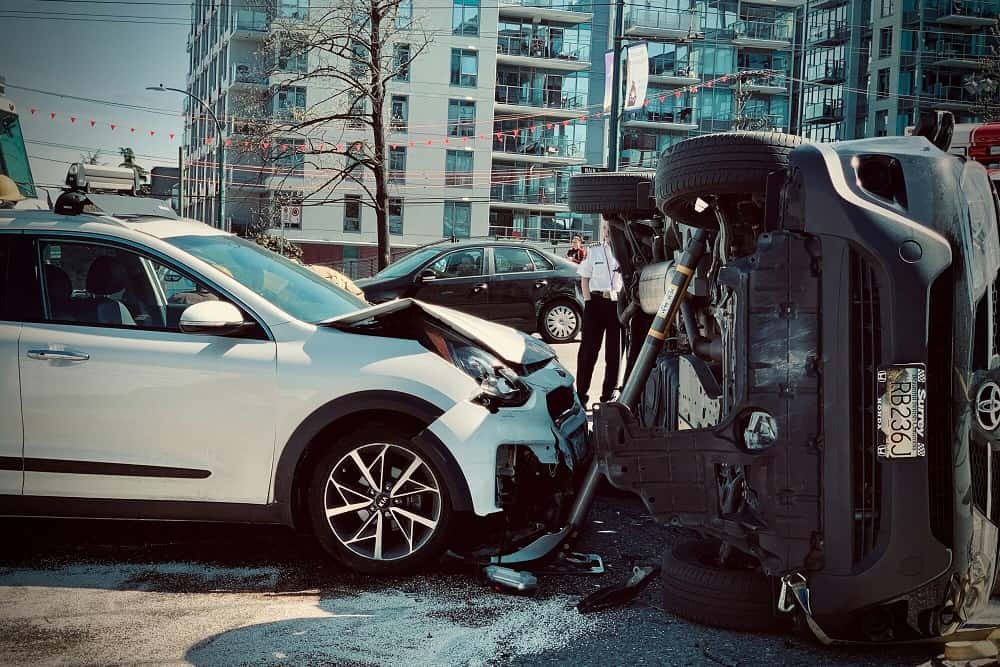
A car accident can change a person’s life in seconds. What begins as a normal drive can end in confusion, stress, and questions about responsibility. One of the most important issues after a crash is understanding who is legally at fault and why it matters, and this is known as car accident liability.
Liability is not always simple. It depends on actions before the crash, the condition of the road, and even how drivers respond in the moment. Insurance companies, lawyers, and courts often look at many details before deciding who is responsible.
Knowing how this process works can help you protect your rights and make better decisions after an accident. Keep reading to learn how liability is determined and what factors can affect the outcome of a claim.
What Car Accident Liability Really Means
Car accident liability refers to legal responsibility for a crash. The person found liable is the one who must pay for damages. These damages may include vehicle repairs, medical costs, lost income, and other related losses.
In many cases, liability is based on negligence. Negligence means a driver did not act with reasonable care, and this could include speeding, texting while driving, or failing to follow traffic signals. When negligence leads to an accident, that driver is often held responsible.
Key Factors That Determine Fault
Several factors are used to determine who is at fault in a car accident. One of the most important factors is driver behavior before the crash. If a driver was distracted, impaired, or reckless, that behavior can strongly influence liability.
Traffic laws also play a major role. A driver who violates a rule, such as running a red light or failing to yield, is often considered responsible. Police reports usually help document these violations.
Another key factor is the position of the vehicles during impact. The way cars collide can help investigators understand what happened in the moments before the crash.
Evidence That Influences Liability
Evidence is essential when determining fault. Without clear evidence, it becomes harder to prove what really happened.
Photos from the accident scene are often used to show vehicle damage, road conditions, and final positions of the cars. Witness statements can also provide important details that support one version of events.
Police reports are another major source of information. Officers often record their observations and may include their opinion about who caused the crash.
Comparative and Contributory Negligence
Not all accidents result in one driver being fully responsible. In some places, the law allows for shared responsibility.
Comparative negligence means each driver may be assigned a percentage of fault. For example, one driver may be found 70 percent responsible while the other is 30 percent responsible. Compensation is then adjusted based on those percentages.
Contributory negligence is stricter. In some systems, if a driver is even slightly at fault, they may not recover any damages. These rules can have a major impact on the outcome of a claim.
Insurance Role in Liability
Insurance companies play a major role in car accident claims. After an accident, both sides usually report the incident to their insurers. The companies then begin their own investigation.
Insurance adjusters review evidence, speak to witnesses, and analyze damage reports. Their goal is to determine liability and decide how much compensation should be paid.
However, insurance companies also aim to reduce payouts. This is why their conclusions may not always match your expectations. It is important to understand that their findings are not always final.
Common Misunderstandings About Fault
Many people assume that the driver who has the most damage is automatically at fault. This is not always true. Damage alone does not determine liability.
Another common misunderstanding is that police always decide fault. While police reports are important, they are not the final legal decision in many cases.
Some also believe that admitting fault at the scene ends the process. In reality, early statements can be reconsidered once all evidence is reviewed.
Why Legal Guidance Matters
Car accident cases can become complex quickly. This is especially true when injuries are involved or when multiple parties share responsibility. In such situations, professional guidance can make a significant difference.
Many people turn to Salt Lake City car accident lawyers when dealing with disputed claims or unclear liability, as legal support can help interpret evidence and deal with insurance companies more effectively. Legal professionals understand how liability laws work and how to build a strong case. They can help gather evidence, communicate with insurers, and ensure that rights are protected throughout the process.
Steps After a Car Accident
What you do after a car accident can influence how liability is determined later. The first step is to ensure safety and seek medical attention if needed.
It is also important to document the scene if possible. Taking photos and collecting contact information from witnesses can help later.
Reporting the accident to the police and your insurance company is another key step. Clear and timely reporting helps create an official record of the event.
Avoid discussing fault in detail at the scene. Simple facts are best until all evidence is reviewed.
Building a Strong Claim
A strong claim depends on clear evidence and consistent documentation. Medical records, repair estimates, and witness statements all help support your case.
Keeping track of expenses related to the accident is also important. This includes medical bills, transportation costs, and lost wages. The more organized your information is, the easier it becomes to establish what happened and who is responsible.
Understanding the Bigger Picture
Car accident liability is not just about assigning blame. It is about understanding responsibility in a fair and structured way. Every detail, from driver behavior to road conditions, plays a part in the final decision.
By learning how liability works, drivers can better protect themselves and respond wisely after an accident. Knowledge of the process helps reduce confusion and supports better outcomes when dealing with insurance claims or legal matters.
Conclusion: Clarity After the Crash
Car accidents can feel overwhelming, but understanding liability brings structure to a confusing situation. When the facts are clear and the evidence is strong, it becomes easier to see how responsibility is shared. With the right approach, drivers can move forward with greater confidence, knowing how decisions are made and what steps to take next after a collision.
For more on this content, visit the rest of our blog!

